
In the ever-expanding world of wellness, cannabidiol (CBD) oil has emerged as a popular choice for managing a variety of health concerns. But with so many different types of CBD oil available, choosing the right one can feel overwhelming. Three main categories dominate the market: full-spectrum, broad-spectrum, and isolate. Understanding the key differences between them is crucial for making an informed decision that aligns with your individual needs.
What is CBD Oil?
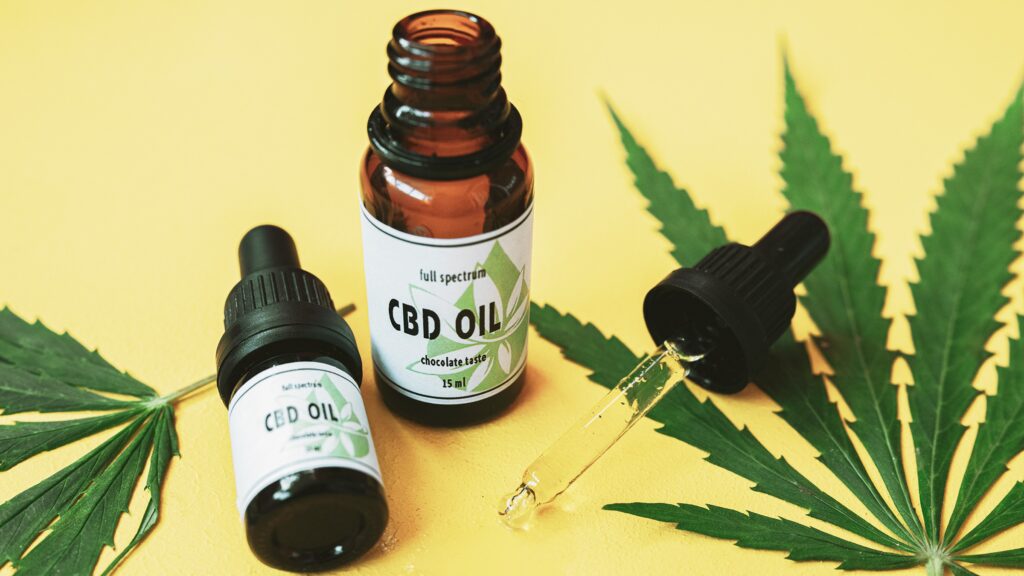
Derived from the hemp plant, a cousin of cannabis, CBD oil is a natural product containing a range of cannabinoids – chemical compounds that interact with the body’s endocannabinoid system (ECS). The ECS plays a vital role in regulating various functions, including sleep, mood, pain perception, and inflammation.
CBD, unlike its famous counterpart THC (tetrahydrocannabinol), is non-psychoactive. This means it won’t produce the “high” associated with marijuana use. Instead, CBD is believed to offer a multitude of potential benefits, including reducing anxiety and stress, promoting relaxation, alleviating pain, and improving sleep quality.
Read- Different Ways to Use CBD in Your Daily Routine
Full-Spectrum CBD Oil: The Entourage Effect
Full-spectrum CBD oil boasts the most complete profile of cannabinoids naturally occurring in the hemp plant. This includes CBD, trace amounts of THC (usually less than 0.3% – the legal limit in many countries), other minor cannabinoids like CBG (cannabigerol) and CBN (cannabinol), terpenes (aromatic compounds that contribute to the plant’s scent and flavor), and essential oils.
Advantages of Full-Spectrum CBD Oil
- The Entourage Effect: Proponents of full-spectrum oil believe in the “entourage effect,” where all the plant’s compounds work synergistically to enhance the overall therapeutic benefits of CBD. Some research suggests that the combined presence of THC and other cannabinoids may amplify the effectiveness of CBD compared to isolate alone.
- Richer Cannabinoid Profile: Full-spectrum oil provides a broader range of potential therapeutic effects due to the presence of various cannabinoids and terpenes, each with its unique properties.
Disadvantages of Full-Spectrum CBD Oil
- Trace Amounts of THC: Although minimal, the presence of THC can be a concern for individuals who need to pass drug tests or are sensitive to psychoactive effects.
- Legal Restrictions: In some regions, full-spectrum oil may be illegal due to even trace amounts of THC exceeding legal limits.
Broad-Spectrum CBD Oil: Striking a Balance
Broad-spectrum CBD oil offers a middle ground between full-spectrum and isolate options. Similar to full-spectrum oil, it contains a variety of cannabinoids, terpenes, and essential oils, but with a crucial difference: THC is undetectable or present in only trace amounts that fall below the legal limit.
Advantages of Broad-Spectrum CBD Oil
- THC-Free: Ideal for individuals who cannot tolerate any THC or live in regions with stricter regulations.
- Potential Entourage Effect: While research is ongoing, broad-spectrum oil may still benefit from the potential synergistic effects of various cannabinoids and terpenes, minus the psychoactive concerns of THC.
Disadvantages of Broad-Spectrum CBD Oil
- Limited Cannabinoid Profile: Compared to full-spectrum oil, the absence of THC might reduce the potential therapeutic benefits for some users.
CBD Isolate: Pure Cannabidiol
CBD isolate is the purest form of CBD, a crystalline or powdered extract containing only cannabidiol, devoid of any other cannabinoids, terpenes, or plant materials.
Advantages of CBD Isolate
- THC-Free: Completely free of THC, making it suitable for those who require a THC-free option for any reason.
- Precise Dosing: Due to its pure form, isolate allows for the most precise dosing control.
- Flavorless and Odorless: Isolate lacks the earthy taste or aroma sometimes associated with full-spectrum or broad-spectrum oils.
Disadvantages of CBD Isolate
- Lacks the Entourage Effect: The absence of other cannabinoids and terpenes means isolate might not offer the potential synergy associated with full-spectrum or broad-spectrum options.
- Higher Doses Might Be Needed: Research suggests that isolate may require higher doses to achieve similar effects compared to full-spectrum or broad-spectrum products due to the lack of the entourage effect.
Dosage Considerations
Dosing CBD oil is a personalized journey. Several factors influence how much you might need, including body weight, metabolism, the desired effect (anxiety relief vs. pain management), and the type of CBD oil (full-spectrum, broad-spectrum, or isolate). It’s best to start low and slow. If needed, begin with a small dose (around 10-20mg daily) and gradually increase over a week. Monitor how you feel and adjust accordingly. Remember, consistency is key. Taking CBD oil regularly allows your body to build up a level for optimal effects. Consulting a healthcare professional can help establish a safe and effective personalized dosage plan, especially if you have pre-existing conditions or take medications
Legality in Canada
In Canada, CBD oil derived from industrial hemp (with a THC content below 0.3%) is legal for purchase and consumption by adults aged 18 and over. However, regulations can change; staying up-to-date with the latest information from reputable sources is essential.
Choosing the Right CBD Oil Type: A Recap
With a clearer understanding of the three main types of CBD oil, you can make an informed decision based on your individual needs and preferences:
- Full-Spectrum CBD Oil: Ideal for those seeking the potential benefits of the entourage effect and a broader cannabinoid profile. However, the presence of THC, even in trace amounts, might be a concern for some.
- Broad-Spectrum CBD Oil: A good choice for individuals who cannot tolerate THC or live in regions with stricter regulations. It offers a balance between a diverse cannabinoid profile and a THC-free option.
- CBD Isolate: The purest form of CBD, suitable for those requiring a THC-free option and desiring precise dosing control. However, it lacks the potential synergy of the entourage effect and might require higher doses to achieve desired results.
Additional Considerations
- Quality Matters: Look for reputable brands that offer third-party lab testing to ensure the purity, potency, and absence of contaminants in their CBD oil products.
- Delivery Methods: CBD oil comes in various forms, including tinctures (taken sublingually), capsules, edibles, topicals, and vape cartridges. Choosing the right method depends on personal preference and desired effects.
The Future of CBD Oil Research
While research on CBD oil is ongoing and promising, it’s crucial to maintain realistic expectations. CBD oil is not a miracle cure, and its effectiveness can vary depending on the individual and the specific condition being addressed. Consulting a healthcare professional before using CBD oil is vital, especially if you have any pre-existing medical conditions or are taking medications.
In Conclusion
The world of CBD oil can be overwhelming for newcomers. However, by understanding the key differences between full-spectrum, broad-spectrum, and isolate options, you can make an informed choice that aligns with your needs. Remember, quality matters, so choose reputable brands and consult with a healthcare professional before embarking on your CBD oil journey.