
The wellness industry has seen a rapid rise in products derived from the cannabis plant. Among the most popular are CBD oil and hemp seed oil. Despite their growing presence on store shelves and online shops, many buyers struggle to understand the difference between the two. While both come from the hemp plant, their uses, benefits, and compositions are quite distinct. This article will help clear up the confusion and guide buyers toward making an informed choice.
Understanding the Source of Each Oil
CBD oil and hemp seed oil come from the same plant species, Cannabis sativa, but from different parts of the plant.
What is CBD Oil?
CBD oil is extracted from the flowers, leaves, and stalks of the hemp plant. These parts are rich in cannabidiol (CBD), a non-psychoactive compound known for its potential therapeutic effects. CBD oil is typically mixed with a carrier oil like MCT or hemp seed oil to make it easier to consume or apply topically.
What is Hemp Seed Oil?
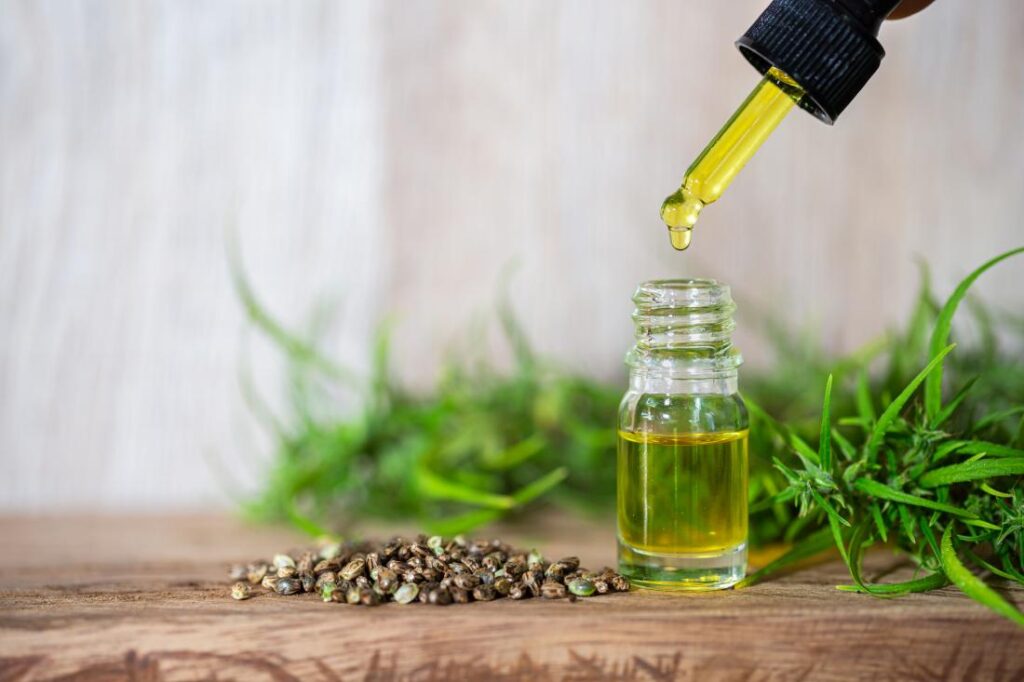
Hemp seed oil, as the name suggests, is extracted solely from hemp seeds. These seeds contain almost no CBD or THC. Instead, hemp seed oil is rich in omega fatty acids, vitamins, and proteins, making it a popular addition in cooking, skincare, and nutritional supplements.
Key Differences Between CBD Oil and Hemp Seed Oil
Though they sound similar, their composition and benefits differ greatly.
CBD Content
CBD oil contains high levels of cannabidiol, which interacts with the body’s endocannabinoid system (ECS) to promote balance and support well-being. Hemp seed oil, on the other hand, contains no significant CBD.
Nutritional Profile
Hemp seed oil shines as a nutritional powerhouse. It is rich in omega-3 and omega-6 fatty acids in the ideal ratio for human health. It also provides vitamin E, magnesium, and amino acids, which support heart health and skin nourishment. CBD oil does not provide the same nutrient profile but offers therapeutic properties instead.
Health Benefits
- CBD Oil: Known for reducing anxiety, improving sleep, easing inflammation, and supporting chronic pain relief.
- Hemp Seed Oil: Used for improving skin hydration, lowering cholesterol, supporting brain health, and providing plant-based nutrition.
Usage
- CBD Oil: Found in tinctures, capsules, gummies, vapes, and topical creams.
- Hemp Seed Oil: Commonly used in cooking, salad dressings, smoothies, and natural skincare products.
Common Buyer Confusion
Because both oils come from hemp, brands sometimes market hemp seed oil in ways that mislead customers into thinking it contains CBD. This confusion can lead to disappointment for buyers who expect therapeutic effects from a product that doesn’t contain any cannabinoids.
Misleading Labels
Some packaging uses terms like “hemp oil” without clarifying whether it is CBD oil or hemp seed oil. Always check the label for CBD content (measured in milligrams) to confirm if it’s truly a CBD product.
Price Differences
CBD oil is typically more expensive because of the extraction process and the therapeutic potential of CBD. Hemp seed oil is more affordable and should be priced accordingly. If a product is unusually cheap, it’s likely hemp seed oil rather than CBD oil.
How to Choose the Right Oil for Your Needs
Selecting the right oil depends on your personal wellness goals.
When to Choose CBD Oil
If you are looking for stress relief, better sleep, reduced inflammation, or natural pain management, CBD oil is the better choice. It supports mental and physical well-being through its interaction with the ECS.
When to Choose Hemp Seed Oil
If you’re aiming for improved nutrition, healthier skin, or a versatile cooking oil, hemp seed oil is ideal. It’s a great plant-based option for adding essential fatty acids to your diet.
Tips for Buying High-Quality Oils
Not all CBD or hemp seed oils are created equal. To ensure you are buying the right product:
Check the Ingredients List
Look for terms like “cannabidiol”, “CBD extract”, or “full-spectrum hemp extract” in CBD oils. For hemp seed oil, the ingredient should say “hemp seed oil”.
Look for Third-Party Lab Reports
Reputable CBD brands provide Certificates of Analysis (COAs) to confirm the cannabinoid profile and ensure the product is free from contaminants.
Understand the Spectrum
CBD oil comes in three main forms:
- Full-Spectrum: Contains CBD plus other cannabinoids, terpenes, and trace THC (within legal limits).
- Broad-Spectrum: Contains CBD and other cannabinoids, but no THC.
- CBD Isolate: Pure cannabidiol without other compounds.
Buy from Trusted Sources
Purchase from established brands or local stores with good reputations. Avoid vague online listings with little transparency.
Read Also : How CBD Dog Treats Can Help with Anxiety and Stress Relief in Canadian Pets
Final Thoughts
The growing popularity of hemp-based products has blurred the line between CBD oil and hemp seed oil for many buyers. However, by understanding their differences in composition, benefits, and usage, consumers can make smarter choices.
If you’re seeking therapeutic support for stress, sleep, pain, or inflammation, CBD oil may be the right option. But if you want a nutritional supplement for heart, skin, and overall wellness, hemp seed oil will serve you well.
With the right knowledge, buyers can avoid confusion and fully enjoy the wellness benefits that both oils bring to the table.