
Introduction
Inflammation is the body’s natural response to injury, infection, and physical stress. While it’s a vital part of the healing process, chronic inflammation is increasingly linked to a wide range of health problems—from arthritis and heart disease to autoimmune disorders and even depression. In the search for natural solutions to manage inflammation, CBD oil has emerged as a promising contender. But what does science really say about its effectiveness?
In this blog, we’ll explore what inflammation is, how CBD oil interacts with the body, the scientific research behind its anti-inflammatory properties, and how people are using it to support wellness.
Understanding Inflammation
Before diving into the role of CBD, it’s important to understand what inflammation actually is.
Acute vs. Chronic Inflammation
- Acute inflammation is short-term and usually occurs after an injury or infection. It’s part of the body’s natural defense mechanism.
- Chronic inflammation, on the other hand, is long-lasting and can persist for weeks, months, or even years. It often results from lifestyle factors, autoimmune conditions, or long-term exposure to toxins or irritants.
Chronic inflammation is thought to play a major role in diseases such as:
- Rheumatoid arthritis
- Crohn’s disease
- Asthma
- Cardiovascular disease
- Type 2 diabetes
- Alzheimer’s disease
Reducing chronic inflammation is key to maintaining long-term health—and that’s where CBD oil may come in.
What Is CBD Oil?
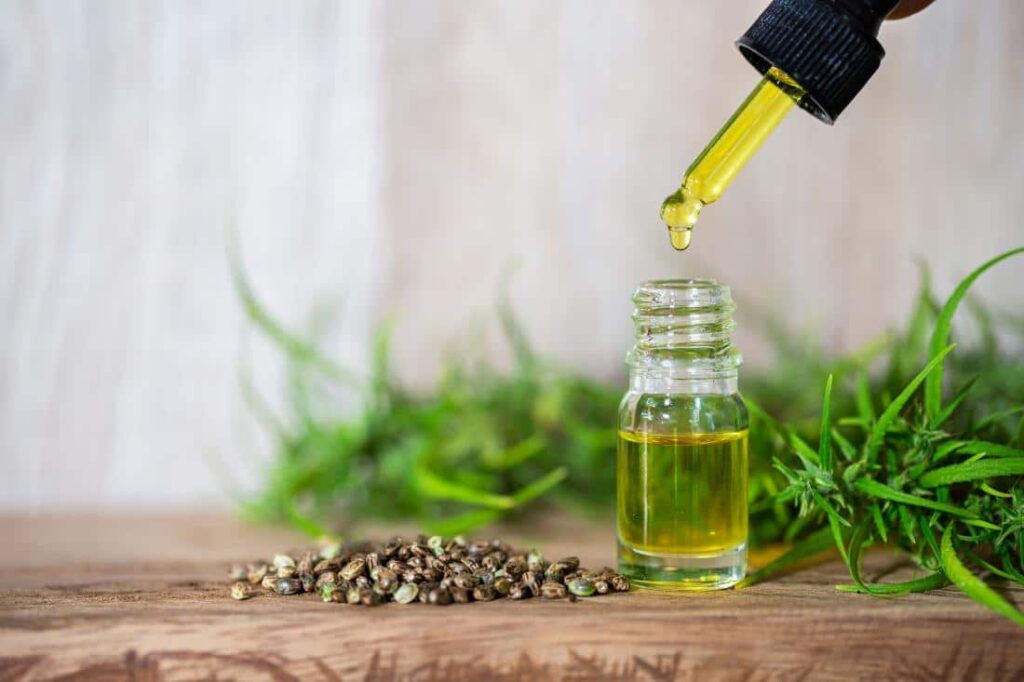
CBD (cannabidiol) is a natural compound found in the hemp plant. Unlike THC (tetrahydrocannabinol), CBD does not produce a psychoactive high. Instead, it is valued for its therapeutic potential, especially for conditions involving pain, stress, and inflammation.
CBD oil is typically made by extracting CBD from hemp and diluting it with a carrier oil such as MCT oil or hemp seed oil. It can be taken sublingually, added to foods, or used topically.
How CBD Interacts with the Body
CBD interacts with the endocannabinoid system (ECS)—a complex cell-signaling system in the body that plays a key role in regulating processes like mood, sleep, immune function, and inflammation.
The ECS includes:
- Endocannabinoids – naturally occurring cannabinoids in the body
- Receptors (CB1 and CB2) – found throughout the brain and immune system
- Enzymes – which break down cannabinoids after they’ve served their purpose
CBD doesn’t bind strongly to CB1 or CB2 receptors. Instead, it appears to influence the ECS indirectly, enhancing the body’s ability to regulate inflammation and maintain balance (homeostasis). It also interacts with other receptors like TRPV1, which is associated with pain and inflammation.
What the Research Says: CBD and Inflammation
Scientific studies, both in animals and humans, have begun to support the idea that CBD may be a useful anti-inflammatory agent.
1. Preclinical Studies
Numerous animal and lab-based studies show that CBD can reduce inflammation in various ways:
- A 2015 study published in Bioorganic & Medicinal Chemistry found that CBD exerts multiple anti-inflammatory actions via the ECS and other pathways.
- A 2016 study in the European Journal of Pain found that topical CBD application reduced inflammation and pain in rats with arthritis.
- A 2011 study in Free Radical Biology and Medicine suggested that CBD may reduce oxidative stress and inflammation by acting as an antioxidant.
2. Human Studies
While human research is still in early stages, emerging findings are promising:
- A 2020 review in Frontiers in Pharmacology concluded that CBD shows potential for treating chronic pain and inflammation, particularly related to autoimmune diseases and neurodegenerative disorders.
- A study on patients with ulcerative colitis (a form of inflammatory bowel disease) showed that CBD-rich extracts helped reduce symptoms, though more data is needed to confirm long-term effects.
- Clinical trials exploring CBD’s effects on multiple sclerosis, rheumatoid arthritis, and psoriasis are ongoing, showing the growing scientific interest in its therapeutic potential.
Conditions Where CBD May Help Manage Inflammation
While more research is needed, people have begun to use CBD oil as a complementary therapy for inflammation-related conditions such as:
1. Arthritis
CBD may help reduce joint pain and inflammation. Many arthritis patients use topical CBD creams or take CBD oil orally to ease symptoms.
2. Autoimmune Disorders
Conditions like lupus and multiple sclerosis involve an overactive immune response. CBD’s ability to modulate immune activity may help calm inflammation without suppressing immunity entirely.
3. Inflammatory Bowel Disease (IBD)
CBD interacts with the gut’s ECS receptors, potentially helping reduce intestinal inflammation and pain in conditions like Crohn’s disease and ulcerative colitis.
4. Skin Conditions
CBD’s anti-inflammatory and antioxidant properties may help reduce redness, swelling, and discomfort in acne, eczema, and psoriasis.
5. Exercise Recovery
Athletes and fitness enthusiasts use CBD to ease post-workout inflammation, support muscle recovery, and reduce soreness naturally.
How to Use CBD Oil for Inflammation
Inflammation is a natural defense mechanism, but when it becomes chronic, it can contribute to a range of health issues—from joint pain and autoimmune disorders to digestive and skin problems. As people look for gentler, plant-based alternatives to traditional anti-inflammatory medications, CBD oil has gained popularity for its potential to reduce inflammation without the harsh side effects. Derived from the hemp plant, CBD (cannabidiol) is a non-intoxicating compound that interacts with the body’s endocannabinoid system to support balance and wellness.
1. Oral Use (Tinctures or Capsules)
Taking CBD sublingually (under the tongue) or in capsule form allows it to enter the bloodstream and have a systemic anti-inflammatory effect.
Recommended use:
- Start with 10–25 mg per day
- Increase gradually based on your body’s response
2. Topical Application
For localized inflammation (e.g., in joints or muscles), apply a CBD-infused cream, balm, or oil directly to the affected area.
Recommended use:
- Apply 1–2 times daily or as needed
- Look for products that include other soothing ingredients like arnica, menthol, or essential oils
3. Edibles and Gummies
These are a convenient way to consume CBD daily. Effects are slower to kick in but may last longer.
Things to Consider Before Using CBD for Inflammation
1. Quality Matters
Always choose products that are:
- Third-party lab tested
- Free from contaminants
- Clearly labeled with CBD content
2. Full-Spectrum vs. Isolate
- Full-spectrum products contain a range of cannabinoids and terpenes, potentially enhancing effects through the entourage effect.
- CBD isolate is pure CBD and may be suitable for those avoiding THC altogether.
3. Check Local Laws
While CBD derived from hemp is federally legal in many countries, state or national regulations may vary.
4. Consult a Healthcare Provider
If you’re taking medications or have a chronic condition, speak with a medical professional before starting CBD. It can interact with some drugs, especially those metabolized by the liver.
Also Read: How CBD Dog Treats Can Help with Anxiety and Stress Relief in Canadian Pets
Are There Any Side Effects?
CBD is generally well tolerated, but mild side effects can include:
- Dry mouth
- Fatigue or drowsiness
- Digestive changes
- Interactions with medications
Starting with a low dose and gradually increasing can help minimize side effects.
Conclusion
The early research is promising—CBD oil appears to offer real potential as a natural anti-inflammatory agent, with benefits for both acute and chronic inflammation. Its interaction with the endocannabinoid system, combined with its antioxidant and pain-relieving effects, make it a compelling alternative or complement to traditional anti-inflammatory drugs.
While more large-scale human studies are needed, countless users already report relief from CBD use, especially when managing arthritis, autoimmune symptoms, or post-exercise recovery.
If you’re considering CBD oil for inflammation, start with a high-quality product, monitor your body’s response, and consult with a healthcare professional for personalized guidance. With the right approach, CBD could become a powerful ally in your wellness routine.