
Introduction
CBD oil has become a popular wellness supplement, praised for its potential to ease anxiety, soothe pain, and promote restful sleep. But as interest in CBD grows, so do the options for how to use it. Among the most common methods are sublingual (under the tongue) and topical (applied to the skin) administration. Each has its own advantages, depending on what you’re hoping to achieve.
In this blog, we’ll explore how these two methods work, their key differences, and which one may be better suited for your personal wellness goals.
Understanding Sublingual Use of CBD Oil
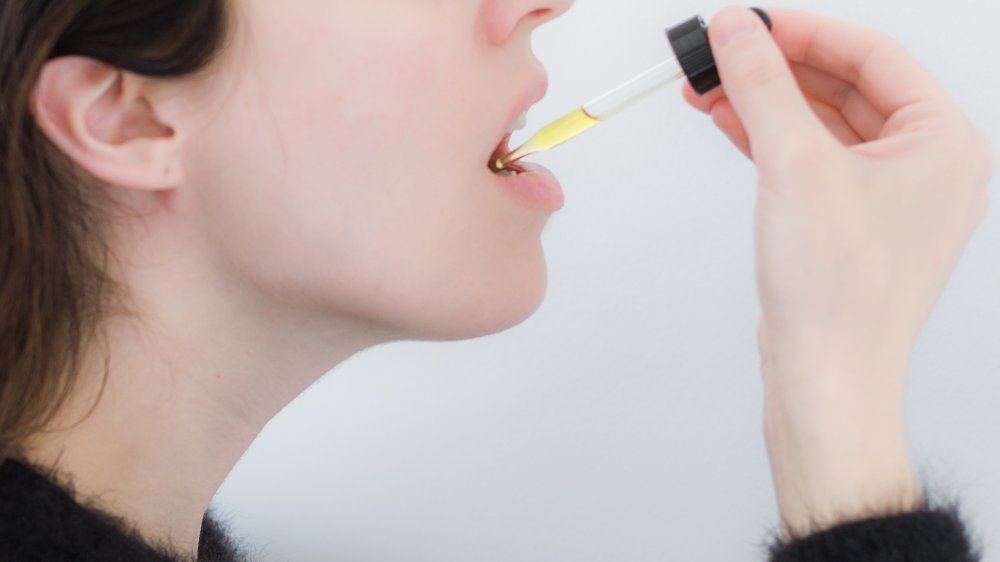
Sublingual administration involves placing CBD oil under the tongue and holding it there for 30 to 60 seconds before swallowing. This method allows the CBD to be absorbed directly into the bloodstream through the capillaries under the tongue, bypassing the digestive system.
The sublingual route is known for its relatively fast onset of effects, typically within 15 to 45 minutes. This makes it a preferred method for those looking for quick relief from symptoms like anxiety, stress, or pain.
It also tends to provide more consistent and controlled dosing, as the amount absorbed under the tongue is measurable and not influenced by digestion.
Benefits of Sublingual CBD Oil
- Faster absorption and quicker onset of effects
- Higher bioavailability than edibles or capsules
- Long-lasting relief, often 4 to 6 hours
- Discreet and easy to use
This method is ideal for users who need consistent results, such as those managing anxiety, chronic pain, or sleep disorders.
Understanding Topical Use of CBD Oil
Topical CBD involves applying products like creams, balms, or salves directly onto the skin. These formulations are designed to interact with the cannabinoid receptors found in the skin’s endocannabinoid system.
Topicals are not absorbed into the bloodstream in significant amounts. Instead, they offer localized relief, making them a great option for issues like muscle soreness, joint stiffness, skin irritation, or inflammation.
Since the effects are limited to the area of application, topical CBD is often chosen by athletes, individuals with arthritis, or those with skin concerns like eczema or psoriasis.
Benefits of Topical CBD Oil
- Targeted relief for localized pain or inflammation
- Easy to apply directly where it’s needed
- Non-invasive with no impact on mood or cognition
- Often combined with soothing ingredients like menthol or essential oils
Topicals work best for physical discomfort, not systemic conditions like anxiety or insomnia.
Comparing Sublingual and Topical CBD Oil
The key difference between these two methods lies in how the CBD enters your body and what issues you’re trying to address.
Sublingual CBD is absorbed into the bloodstream and provides full-body effects. It’s suitable for managing internal conditions like stress, insomnia, and general pain relief.
Topical CBD does not reach the bloodstream in meaningful amounts. Its effects are localized and best suited for muscle aches, joint pain, and skin conditions.
Here’s a quick comparison:
- Speed: Sublingual is faster; topicals can take longer to feel effects.
- Target: Sublingual affects the whole body; topicals work on specific areas.
- Duration: Both can offer relief for several hours, depending on dosage and formulation.
- Use Case: Sublingual is better for internal issues; topicals are ideal for external discomfort.
Which One Should You Choose?
Selecting the best method for using CBD oil ultimately depends on what you’re trying to achieve and how CBD fits into your lifestyle. There’s no universal “best” approach—just the one that aligns best with your individual wellness goals.
If you’re struggling with issues that affect your entire body, such as chronic stress, generalized anxiety, or difficulty sleeping, sublingual CBD oil is likely your best option. By placing the oil under your tongue, you allow it to quickly enter your bloodstream and circulate throughout your body. This systemic effect can help calm the nervous system, regulate mood, and promote more restful sleep. The ease of use also makes it convenient for daily routines—just a few drops in the morning or evening can provide consistent support throughout the day or night.
On the other hand, if your concerns are more localized, such as a stiff neck, sore back, or aching joints, then topical CBD products may offer more targeted relief. These creams and balms are designed to interact with receptors in your skin and underlying tissues, making them ideal for treating specific areas of discomfort. You won’t feel any of the calming or sedative effects that come with sublingual use, but you may experience reduced inflammation and pain right where you need it most.
In fact, many people find that a combination of both methods delivers the most complete relief. For example, someone dealing with arthritis might use sublingual CBD oil to reduce systemic inflammation and improve mood, while also applying a CBD-infused cream directly to affected joints for localized pain management. This dual approach can offer layered support, helping you address both internal and external symptoms more effectively.
By understanding how each method works and what it targets, you can create a more personalized and effective CBD routine—one that truly supports your unique wellness journey.
Also Read: The Role of CBD Oil in Reducing Inflammation and Promoting Healing
Final Thoughts
Choosing between sublingual and topical CBD oil is not about which method is objectively better, but which one aligns best with your wellness goals. Both offer unique benefits and can play a role in your self-care toolkit.
As always, make sure to buy from reputable brands that offer third-party lab testing. Quality and consistency are key to getting the most out of your CBD experience.
Before starting any new wellness supplement, especially if you’re taking other medications or managing a health condition, it’s wise to consult a healthcare professional.