
Introduction
Anxiety is a common experience that affects people across all age groups and lifestyles. Occasional feelings of worry or nervousness are part of normal life, especially during stressful situations such as work pressure, major life changes, or personal challenges. However, when anxiety becomes frequent or overwhelming, it can interfere with daily routines, sleep patterns, concentration, and overall well-being.
As interest in natural wellness options continues to grow, many individuals are exploring plant-based compounds that may help support emotional balance. One product that has gained considerable attention is CBD oil. Derived from hemp plants, CBD oil is widely discussed in wellness communities for its potential role in promoting calmness and relaxation.
This article explores what CBD oil is, how it interacts with the body, and what research suggests about its possible connection to anxiety management.
Understanding Anxiety and Its Effects on the Body
Anxiety involves both psychological and physical responses. When the brain perceives a potential threat or stressor, it activates a protective reaction commonly known as the “fight or flight” response. This response triggers the release of stress hormones, including cortisol and adrenaline.
These hormones prepare the body to respond quickly, which can lead to symptoms such as increased heart rate, rapid breathing, muscle tension, and heightened alertness. While this response can be helpful in short-term situations, prolonged stress may contribute to persistent anxiety.
Over time, chronic anxiety may affect sleep quality, digestion, mood stability, and concentration. Because of these widespread effects, many people seek ways to support relaxation and maintain emotional balance.
What Is CBD Oil?
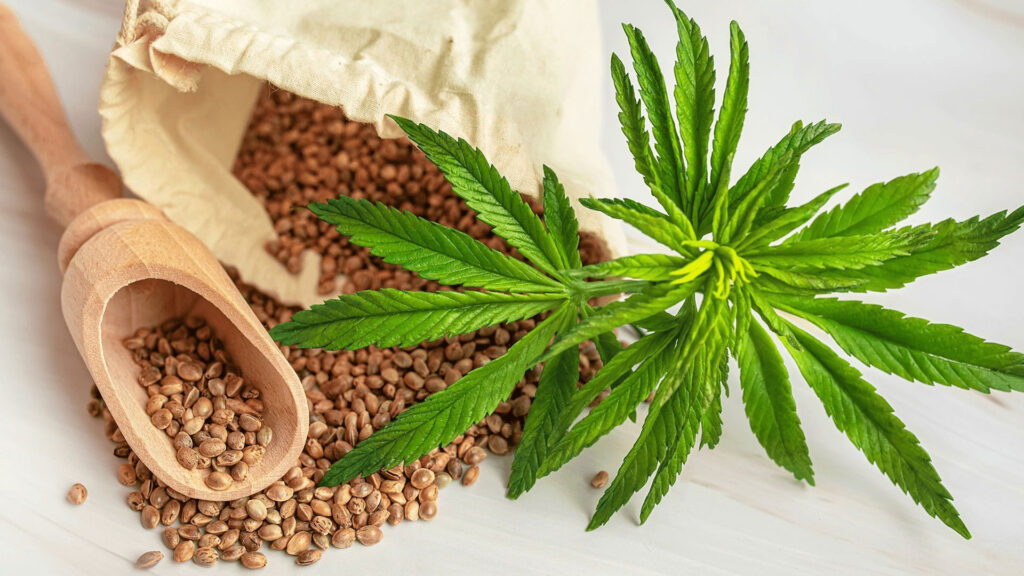
CBD oil is a natural extract derived from hemp plants. The primary active compound in this oil is cannabidiol, commonly known as CBD. Hemp plants contain many naturally occurring compounds called cannabinoids, which interact with systems inside the human body.
Unlike THC, another well-known cannabinoid found in cannabis, CBD does not produce intoxicating or euphoric effects. This means CBD oil does not create the “high” typically associated with cannabis products that contain high levels of THC.
CBD oil is commonly produced by extracting cannabidiol from hemp plants and combining it with a carrier oil such as hemp seed oil or coconut oil. The resulting product can be used in small amounts as part of a wellness routine.
The Endocannabinoid System and Emotional Balance
To understand how CBD may influence anxiety, it is important to look at the body’s endocannabinoid system (ECS). The ECS is a biological system responsible for maintaining internal balance across various physiological processes.
This system includes receptors, enzymes, and signaling molecules that help regulate functions such as mood, sleep, appetite, immune responses, and stress reactions.
Two key receptors involved in this system are known as CB1 and CB2 receptors. CB1 receptors are widely found in the brain and central nervous system, areas responsible for emotional processing and stress responses.
CBD interacts with the endocannabinoid system indirectly. Rather than binding strongly to receptors, it appears to influence how the system regulates communication between different cells in the body. This interaction may contribute to the growing interest in CBD’s potential role in emotional well-being.
How CBD Oil May Influence Anxiety Responses
Researchers are studying several ways in which CBD may influence the body’s response to stress and anxiety. One area of focus involves neurotransmitters, which are chemical messengers that help brain cells communicate with one another.
Certain neurotransmitters play key roles in regulating mood and emotional stability. For example, serotonin is often associated with feelings of well-being and relaxation. Some research suggests that CBD may interact with serotonin receptors in the brain, which could influence how the body responds to stressful situations.
Another area of interest involves the body’s stress response system. The release of stress hormones can amplify anxious feelings, and balancing these hormonal responses may support emotional stability.
While studies are ongoing, these biological interactions have contributed to the increasing interest in CBD as a wellness product related to stress management.
CBD Oil and the Brain’s Stress Regulation
The brain contains several regions involved in processing fear, stress, and emotional reactions. One of these areas is the amygdala, which helps interpret potential threats and triggers emotional responses.
Another important region is the hippocampus, which plays a role in memory formation and emotional regulation. These brain areas interact closely with the body’s stress response system.
Preliminary research suggests that cannabinoids may influence activity within these regions. By interacting with signaling pathways related to stress responses, CBD may play a role in supporting balance within the brain’s emotional regulation systems.
Although these findings are still being studied, they highlight why scientists continue to explore CBD’s potential relationship with anxiety.
The Connection Between Sleep and Anxiety
Sleep and anxiety are closely connected. When anxiety levels rise, falling asleep and staying asleep can become more difficult. Poor sleep can then worsen feelings of stress, creating a cycle that affects both mental and physical health.
Many individuals who use CBD oil report that it helps support relaxation before bedtime. By promoting a calmer state of mind, CBD may indirectly support better sleep quality for some people.
Improved sleep can help the body recover from daily stress and maintain healthier emotional balance during waking hours.
Daily Stress and Modern Lifestyles
Modern lifestyles often involve busy schedules, digital distractions, and constant exposure to information. These factors can contribute to ongoing mental strain and stress.
As a result, many individuals are looking for ways to incorporate relaxation practices into their daily routines. Some explore mindfulness, meditation, exercise, or natural wellness products as part of their stress-management strategies.
CBD oil is often considered within this broader approach to wellness rather than as a single solution. People frequently combine it with other lifestyle habits that support mental and emotional balance.
Ways People Use CBD Oil for Calm and Relaxation
CBD oil is typically taken in small measured amounts. One common method involves placing a few drops under the tongue and holding them there briefly before swallowing. This allows the compound to be absorbed through tissues in the mouth.
Some individuals also add CBD oil to beverages such as tea or smoothies. In this case, the compound passes through the digestive system before entering the bloodstream.
The amount and frequency of use can vary depending on personal preferences and individual responses. Because people’s bodies process compounds differently, experiences may vary.
Choosing High-Quality CBD Oil
Quality is an important consideration when selecting CBD oil. High-quality products are usually derived from organically grown hemp and processed using clean extraction methods.
Reputable manufacturers provide third-party laboratory testing to verify the purity and cannabinoid content of their products. These lab reports help confirm that the oil contains the advertised amount of CBD and is free from contaminants such as heavy metals or pesticides.
Consumers may also encounter different types of CBD oil, including full-spectrum, broad-spectrum, and CBD isolate products. Each type contains different combinations of plant compounds.
Safety and Important Considerations
CBD oil is generally well tolerated by many individuals, but responses can vary from person to person. Because CBD is metabolized in the liver, it may interact with certain medications.
For this reason, individuals who take prescription medications or have underlying health conditions should consult a healthcare professional before using CBD products.
Understanding proper usage, starting with small amounts, and selecting high-quality products can help ensure a responsible approach to incorporating CBD oil into a wellness routine.
Lifestyle Habits That Support Anxiety Management
While CBD oil may be explored as part of a wellness routine, anxiety management often involves a combination of healthy habits. Regular physical activity, balanced nutrition, and adequate sleep are all essential for maintaining emotional well-being.
Relaxation practices such as meditation, breathing exercises, and mindfulness can also help regulate stress responses.
Maintaining social connections and seeking professional support when needed are equally important aspects of managing anxiety and promoting mental health.
Also Read: How to Read a CBD Oil Lab Report (COA) Like a Pro
Conclusion
Anxiety is a complex experience influenced by psychological, environmental, and biological factors. As interest in natural wellness solutions grows, CBD oil has become a widely discussed option for individuals seeking ways to support emotional balance and relaxation.
By interacting with the body’s endocannabinoid system and signaling pathways related to mood and stress responses, CBD may influence processes connected to anxiety regulation. Although research is still evolving, many individuals explore CBD oil as part of a broader approach to stress management.
Combining healthy lifestyle practices, professional guidance, and informed product choices can help individuals make thoughtful decisions about incorporating CBD oil into their overall wellness strategies.