
Introduction
A COA is not just a technical lab document. It’s proof of transparency, safety, and product quality. Yet many buyers ignore it simply because it looks complicated.
In reality, once you understand the key sections, reading a CBD oil lab report becomes straightforward — and empowering.
Let’s break it down step by step.
What Is a COA?
A Certificate of Analysis (COA) is a third-party laboratory report that verifies what’s inside a CBD product. Reputable brands send their products to independent labs for testing to confirm:
- Cannabinoid content
- THC levels
- Presence of contaminants
- Potency accuracy
- Safety compliance
A trustworthy CBD brand should make its COA easily accessible — often through:
- A QR code on the bottle
- A batch number lookup on the website
- Direct download links
If a company does not provide a COA, that’s a major red flag.
Why Third-Party Testing Matters
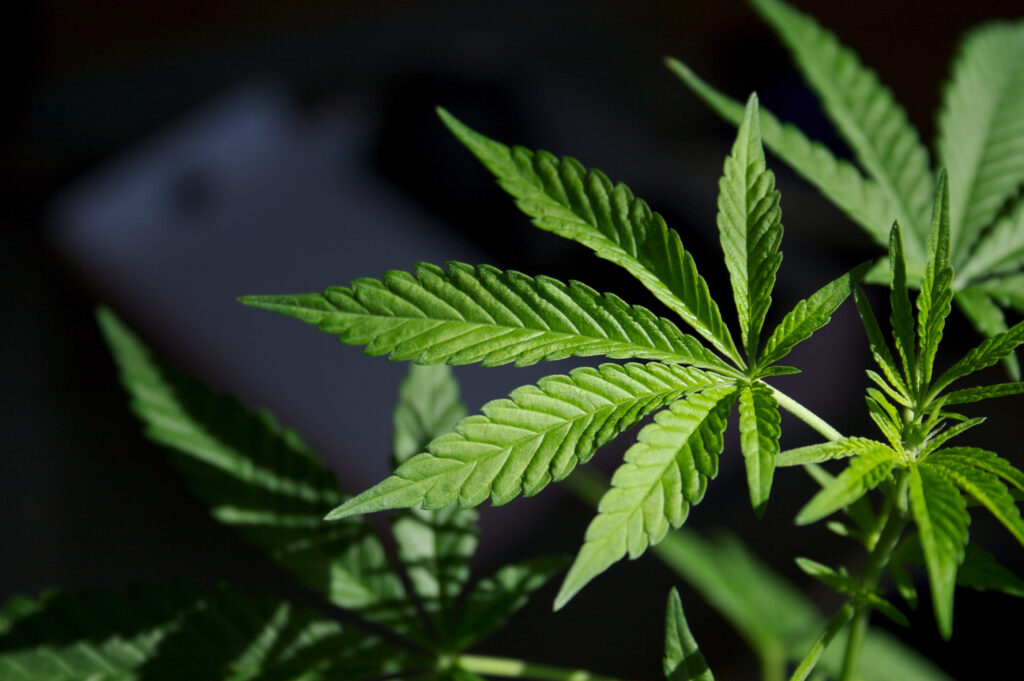
CBD is derived from hemp, a variety of Cannabis sativa. Hemp is known to absorb substances from soil, including heavy metals and pesticides. Without proper testing, harmful contaminants could end up in the final product.
Third-party testing ensures:
- Accurate CBD concentration
- THC within legal limits
- No harmful residues
- Consistency between batches
It protects both your health and your investment.
Step 1: Check the Basic Report Details
Start with the top section of the COA. Look for:
1. Lab Name
Ensure the test was conducted by an independent laboratory, not the brand itself.
2. Batch or Lot Number
This should match the number on your product bottle. If it doesn’t, you’re not looking at the correct report.
3. Product Name
Confirm the report matches the exact product you purchased.
4. Test Date
CBD potency can degrade over time. Ideally, the report should be recent (within the past year).
Step 2: Understand the Cannabinoid Profile
This section is the most important.
A cannabinoid profile lists the concentration of various cannabinoids, including:
- CBD (Cannabidiol)
- THC (Tetrahydrocannabinol)
- CBG (Cannabigerol)
- CBN (Cannabinol)
What to Look For:
✔ CBD Amount
Check whether the reported CBD content matches what the label claims. If the bottle says 1000 mg CBD, the lab result should reflect that (within a small acceptable margin).
✔ THC Level
In hemp-derived CBD products, THC should typically be below 0.3% (depending on regional regulations). This ensures the product is non-intoxicating.
✔ Full-Spectrum vs. Broad-Spectrum vs. Isolate
- Full-spectrum: Multiple cannabinoids present
- Broad-spectrum: Multiple cannabinoids, no THC
- Isolate: Only CBD detected
The cannabinoid profile should match the product’s marketing claims.
Step 3: Review Terpene Analysis (If Available)
Some advanced COAs include terpene profiles. Terpenes are aromatic compounds that may influence how CBD works.
Common terpenes include:
- Myrcene
- Limonene
- Beta-caryophyllene
While not mandatory in every COA, terpene testing indicates higher transparency and premium quality standards.
Step 4: Check for Contaminants
This is where safety becomes critical.
A complete COA should test for:
1. Heavy Metals
Hemp can absorb:
- Lead
- Mercury
- Arsenic
- Cadmium
Results should show “ND” (Not Detected) or levels within safe limits.
2. Pesticides
Look for confirmation that no harmful pesticides are present.
3. Residual Solvents
If the CBD was extracted using solvents, the lab should confirm no harmful residues remain.
4. Microbial Contaminants
Testing may include checks for:
- Mold
- Yeast
- Salmonella
- E. coli
All should be absent or within acceptable safety limits.
If any contaminant exceeds safe thresholds, avoid the product entirely.
Step 5: Understand Units of Measurement
Lab reports often use technical units such as:
- mg/g (milligrams per gram)
- % (percentage concentration)
- ppm (parts per million)
For cannabinoid potency:
- % indicates strength relative to total product weight
- mg/g shows exact concentration per gram
If unsure, you can calculate total CBD by multiplying mg/g by total product weight.
Step 6: Look for “Pass” or “Fail” Status
Most COAs include a summary section stating whether the product passed regulatory safety limits.
Always verify:
- Overall test status: PASS
- No flagged contaminants
- Legal THC compliance
A missing pass/fail summary doesn’t necessarily mean danger, but it requires closer inspection.
Red Flags to Watch Out For
Be cautious if you notice:
- No batch number
- Outdated reports
- In-house lab testing only
- Missing contaminant testing
- THC levels higher than legal limits
- CBD content significantly lower than advertised
Transparency is a sign of a brand that stands behind its product.
Why Learning to Read COAs Gives You an Advantage
Many buyers rely solely on marketing claims. But brands can say almost anything on packaging.
A COA tells you:
- If you’re getting the CBD strength you paid for
- Whether the product is safe
- If the formula matches its claims
- How consistent the brand is across batches
It separates premium, trustworthy brands from low-quality products.
Practical Example: What a Good COA Should Show
A high-quality 1000 mg full-spectrum CBD oil should typically show:
- CBD concentration close to labeled amount
- THC below legal limit
- Multiple minor cannabinoids present
- No heavy metals
- No pesticides
- No residual solvents
- Clear third-party lab name
- Matching batch number
If all those boxes are checked, you’re likely holding a reliable product.
Also Read: CBD Oil and Medications: What Users Should Be Careful About
Final Thoughts
Reading a CBD Oil Certificate of Analysis may seem technical at first, but once you understand the structure, it becomes a powerful consumer skill.
A COA is your proof of:
- Potency
- Safety
- Transparency
- Quality
In an industry where regulation varies and marketing claims are abundant, lab reports are the most objective way to evaluate a product.