
Coughing is a common symptom experienced by many, often signaling underlying conditions such as a cold, flu, or respiratory infection. While over-the-counter cough medicines are readily available, more people are turning to natural remedies like CBD oil for relief. This blog post will explore how CBD oil may help alleviate cough, its potential benefits, and how to use it safely.
Understanding Cough and Its Causes
Coughing is a reflex action that helps clear the airways of mucus, irritants, and other foreign particles. It can be acute (lasting less than three weeks) or chronic (lasting more than eight weeks). Common causes of cough include:
- Respiratory infections: Colds, flu, and bronchitis often cause coughing due to inflammation and mucus production in the airways.
- Allergies: Allergens like pollen, dust, and pet dander can irritate the throat and lungs, leading to coughing.
- Asthma: Asthma-related coughing is typically accompanied by wheezing and shortness of breath.
- Acid reflux: Also known as GERD, acid reflux can cause a persistent cough due to stomach acid irritating the esophagus.
- Smoking: Smoking irritates the lungs and airways, often resulting in a chronic cough.
While treating the underlying cause is crucial, managing the symptom of coughing itself is essential for comfort and quality of life. This is where CBD oil may come into play.
How CBD Oil May Help with Cough
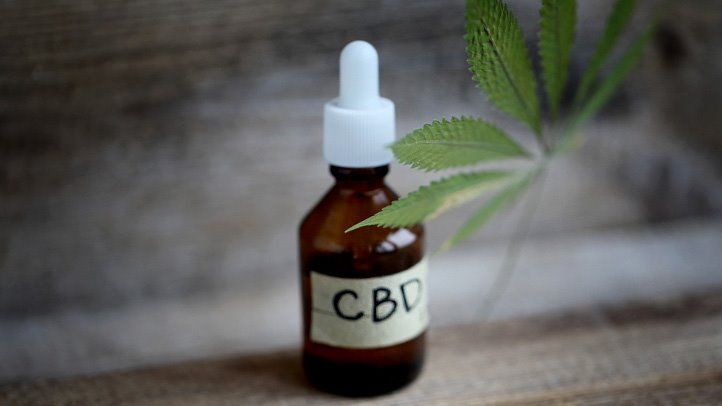
CBD (cannabidiol) is a non-psychoactive compound found in cannabis plants. It interacts with the body’s endocannabinoid system (ECS), which plays a role in regulating various physiological processes, including immune response, pain perception, and inflammation. Here’s how CBD oil may help with cough:
- Anti-Inflammatory Properties:
- In many cases, coughing is a result of inflammation in the respiratory system. CBD is known for its anti-inflammatory effects, which may help reduce the inflammation that causes coughing. By addressing the root cause, CBD may lessen the frequency and severity of cough.
- Bronchodilator Effects:
- Some studies suggest that CBD may act as a bronchodilator, helping to open up the airways and improve breathing. This can be particularly beneficial for individuals with asthma or other respiratory conditions that cause coughing.
- Pain Relief:
- Persistent coughing can lead to sore throat and chest pain. CBD’s analgesic (pain-relieving) properties may provide relief from the discomfort associated with frequent coughing.
- Relaxation and Anxiety Reduction:
- Chronic coughing can be stressful and anxiety-inducing. CBD is known for its calming effects, which may help reduce the anxiety associated with coughing fits, leading to a more relaxed state.
- Potential to Suppress Cough Reflex:
- While more research is needed, there is some evidence that CBD may influence the neural pathways involved in the cough reflex, potentially reducing the urge to cough.
How to Use CBD Oil for Cough
If you’re considering using CBD oil to alleviate cough, it’s essential to do so safely and effectively. Here are some tips on how to use CBD oil for this purpose:
- Choose a High-Quality CBD Oil:
- Look for CBD oil from reputable brands that provide third-party lab testing to ensure purity, potency, and safety. Full-spectrum CBD oil may be more effective due to the “entourage effect,” where various cannabinoids work together to enhance the benefits.
- Determine the Right Dosage:
- The ideal dosage of CBD oil can vary based on factors such as your body weight, the severity of your symptoms, and your individual response to CBD. Start with a low dose and gradually increase it until you find the right amount that provides relief.
- Consider Different Methods of Consumption:
- CBD oil can be taken sublingually (under the tongue), added to food or beverages, or used in a vaporizer. For quick relief from cough, sublingual administration or vaping may be more effective as these methods allow CBD to enter the bloodstream rapidly.
- Be Consistent:
- Regular use of CBD oil may provide more consistent relief from cough. Consider taking CBD oil at the same time each day to maintain stable levels in your system.
- Monitor Your Response:
- Keep track of how your body responds to CBD oil, including any changes in your coughing patterns and overall well-being. If you experience any adverse effects or if your cough persists, consult a healthcare professional.
Safety Considerations
While CBD oil is generally considered safe, there are a few things to keep in mind:
- Consult with a Doctor: Before using CBD oil, especially if you have a pre-existing medical condition or are taking other medications, it’s important to consult with a healthcare provider. They can help determine if CBD is appropriate for you and guide you on the correct dosage.
- Be Aware of Side Effects: Some individuals may experience side effects such as dry mouth, dizziness, or changes in appetite when using CBD oil. If you notice any adverse reactions, discontinue use and seek medical advice.
- Avoid Contaminants: Choose products that are free from harmful additives, pesticides, and solvents. Organic CBD oil is often a safer option.
- Know the Legal Status: Ensure that CBD oil is legal in your area and that you are purchasing products that comply with local regulations.
The Future of CBD for Cough
As research into CBD continues to grow, more studies may provide insights into its effectiveness for treating cough and other respiratory symptoms. Currently, while anecdotal evidence and preliminary research suggest potential benefits, more clinical trials are needed to fully understand how CBD can be used as a cough remedy.
Read Also : How CBD Can Help with Anxiety and Depression?
Conclusion
CBD oil offers a promising natural alternative for those seeking relief from cough. With its anti-inflammatory, bronchodilator, and pain-relieving properties, CBD may help reduce the severity and frequency of coughing. However, it’s essential to approach CBD use thoughtfully, ensuring that you choose high-quality products, start with the right dosage, and monitor your body’s response.
If you’re dealing with a persistent cough and are considering CBD oil as a remedy, consult with a healthcare professional to determine if it’s a suitable option for you. By doing so, you can explore the potential benefits of CBD while ensuring your safety and well-bei