
Introduction
Outdoor cannabis cultivation offers unique advantages, such as ample sunlight and reduced energy costs, making it a popular choice for both novice and experienced growers. However, to ensure a successful harvest, certain key factors and techniques must be considered. Here are essential tips to help you cultivate thriving outdoor cannabis plants.
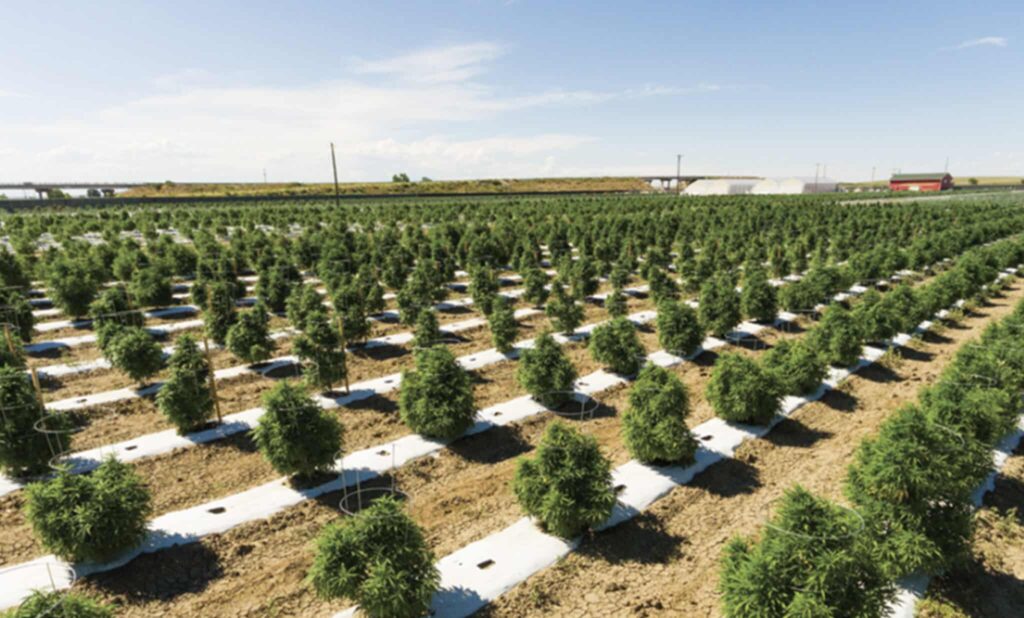
1. Selecting the Right Location
Choosing the ideal location is crucial for outdoor cannabis cultivation. Opt for a spot that receives ample sunlight (at least 6-8 hours daily) and has good air circulation. Cannabis plants thrive in full sunlight, which is essential for robust growth and maximum bud development. South-facing slopes or open fields are excellent choices as they receive the most sunlight throughout the day.
In addition to sunlight, consider the microclimate of the location. Avoid areas prone to frost pockets or late-season frosts, as these can damage delicate cannabis plants. Good air circulation helps prevent mold and mildew, which can be detrimental during the flowering stage.
Privacy and security are also important factors to consider. Choose a location that is discreet and away from public view to minimize the risk of theft or unwanted attention. This ensures a safe and uninterrupted growing environment for your cannabis plants.
Furthermore, protection from strong winds and excessive rain is crucial. Wind can physically damage plants or cause them to dry out too quickly, while heavy rains can lead to waterlogged soil and root rot. Consider natural windbreaks like trees or shrubs, or use temporary structures like wind barriers if necessary.
By carefully selecting the right location based on sunlight exposure, air circulation, privacy, and protection from the elements, you set a solid foundation for successful outdoor cannabis cultivation. This thoughtful approach maximizes plant health and yield potential, ensuring a rewarding growing experience from start to finish.
2. Choosing Suitable Cannabis Strains
Different cannabis strains thrive in varying climates and conditions, so it’s essential to select strains that align with your local environment. Consider factors such as temperature range, humidity levels, and average sunlight hours when choosing cannabis strains for outdoor cultivation.
Indica strains, known for their shorter stature and broader leaves, are typically more resilient to cooler temperatures and have a quicker flowering time compared to sativa strains. They are well-suited for regions with shorter growing seasons or cooler climates where frost may occur early or late in the year.
On the other hand, sativa strains often thrive in warmer climates with longer growing seasons. They tend to grow taller and produce airy buds, making them ideal for regions with abundant sunlight and higher temperatures.
Hybrid strains combine characteristics of both indica and sativa varieties, offering a balance that can suit a wider range of climates and growing conditions. They may exhibit traits that enhance pest resistance, yield potential, or specific cannabinoid profiles desired by growers.
3. Preparing the Soil
Preparing nutrient-rich soil is crucial for the success of outdoor cannabis cultivation. Begin by testing the soil to assess its pH level and nutrient composition. Cannabis plants thrive in slightly acidic to neutral soil with a pH range of 6.0-7.0. If necessary, adjust the pH using amendments like dolomitic lime to raise pH or sulfur to lower it, ensuring optimal nutrient uptake.
Incorporate organic matter such as compost, aged manure, or worm castings into the soil to enhance its texture and fertility. Organic materials improve soil structure, promote beneficial microbial activity, and provide a slow-release source of nutrients essential for plant growth. Consider adding perlite or vermiculite to improve drainage and aeration, preventing waterlogged conditions that can lead to root rot.
Maintaining soil health throughout the growing season is vital. Mulching around plants helps retain moisture, suppresses weed growth, and regulates soil temperature. Additionally, consider using organic fertilizers or compost teas to replenish nutrients and support vigorous growth without relying on synthetic chemicals.
4. Timing the Planting
Timing is indeed critical when planning outdoor cannabis cultivation. Planting should align closely with local climate patterns and the last frost date to safeguard young plants from potential cold damage. In regions where spring arrives early and frost risks diminish by early spring, planting around this time can capitalize on longer growing seasons. Conversely, in areas prone to lingering frost or cooler temperatures, waiting until late spring ensures a safer start for cannabis seedlings or clones.
Early spring planting allows plants to establish robust root systems and adapt to outdoor conditions gradually as temperatures warm. It also maximizes the vegetative growth phase, enabling plants to reach optimal size before transitioning into flowering. Late spring planting, while delaying the vegetative phase slightly, minimizes the risk of frost damage and promotes healthier initial growth.
Understanding local climate nuances and frost patterns empowers growers to time outdoor plantings strategically, setting the stage for successful cultivation and robust harvests later in the season.
5. Providing Adequate Watering
Providing adequate water is crucial for the health and growth of outdoor cannabis plants. During hot and dry periods, maintaining a consistent watering schedule is essential to prevent stress and dehydration. Water deeply to encourage deep root development, which helps plants access nutrients and withstand drought conditions more effectively. However, avoid overwatering, as it can lead to waterlogged soil and root rot.
Mulching around cannabis plants helps retain soil moisture, reduce evaporation, and regulate soil temperature fluctuations. Organic mulches like straw, wood chips, or shredded leaves also improve soil structure over time as they decompose, enhancing nutrient availability and microbial activity.
Monitoring soil moisture levels is key to determining when to water. Stick your finger into the soil or use a moisture meter to gauge moisture content. Water early in the morning or late in the evening to minimize evaporation loss and ensure plants have ample moisture during the heat of the day.
6. Nutrient Management
Effective nutrient management is vital for successful outdoor cannabis cultivation. Monitoring nutrient levels throughout the growing season ensures plants receive the essential elements they need for healthy growth and optimal bud development. Conduct soil tests periodically to assess nutrient levels and pH, adjusting fertilization practices accordingly.
Organic fertilizers and compost teas are excellent choices for providing a balanced nutrient profile without the risk of chemical buildup in the soil. Organic materials like compost, worm castings, and fish emulsion enrich the soil with slow-release nutrients and support beneficial microbial activity. Compost teas, brewed from compost and other organic ingredients, enhance nutrient uptake and improve soil structure, promoting overall plant health.
It’s crucial to avoid over-fertilizing cannabis plants, as excess nutrients can lead to nutrient imbalances, salt buildup in the soil, and adverse effects on plant growth. Follow manufacturer recommendations or organic gardening guidelines when applying fertilizers to maintain a healthy nutrient balance and support vigorous growth without compromising plant health.
7. Pest and Disease Control
Pest and disease control is essential for maintaining healthy outdoor cannabis plants and maximizing yields. Regular inspection is the first line of defense against pests such as aphids, spider mites, and caterpillars, which can rapidly infest and damage crops. Early detection allows for prompt intervention, minimizing potential damage and preventing pest populations from escalating.
Consider using natural pest deterrents like companion planting with pest-repelling herbs or flowers, such as marigolds or basil, to deter pests organically. Additionally, organic pesticides derived from botanical oils or insecticidal soaps can effectively manage pest outbreaks while minimizing harm to beneficial insects and the environment. Always follow product instructions and adhere to local regulations when applying pesticides.
Proper airflow around plants is crucial for reducing humidity levels and preventing fungal diseases such as powdery mildew or botrytis. Maintain adequate spacing between cannabis plants to promote air circulation and sunlight penetration, which helps to dry foliage and inhibit fungal growth.
8. Support and Training Techniques
Support and training techniques play a crucial role in maximizing the yield and quality of outdoor cannabis plants. As plants grow, especially tall or heavy-flowering varieties, supporting them with stakes, cages, or trellises prevents stems from bending or breaking under their own weight. This proactive measure not only protects the plant’s structural integrity but also ensures that buds remain intact and accessible during harvesting.
Pruning lower branches is another essential practice that promotes overall plant health and bud development. Removing excess foliage improves airflow and light penetration to the lower canopy, reducing the risk of moisture buildup and potential fungal infections. Enhanced air circulation also helps maintain optimal humidity levels, further mitigating disease risks throughout the growing season.
By combining support structures with strategic pruning techniques, growers can create a well-balanced canopy that maximizes light exposure and promotes even bud development across all levels of the plant. This approach not only improves yield potential but also enhances the quality and consistency of cannabis buds at harvest.
9. Monitoring Flowering Phase
Monitoring the flowering phase is critical for achieving optimal yields and potent cannabis buds during outdoor cultivation. As cannabis plants transition from vegetative growth to flowering, closely observe changes in their development and environmental conditions. Outdoor plants generally begin flowering as daylight hours naturally decrease in late summer or early fall, triggered by the natural photoperiod.
For growers aiming to control flowering times, especially in regions with shorter growing seasons, light deprivation techniques can be employed. By covering plants with blackout material or using structures to limit exposure to light during specific periods, growers can simulate longer nights and hasten the onset of flowering. This technique allows for earlier harvests, potentially avoiding adverse weather conditions that could impact late-season crops.
Monitoring flower development involves observing the formation of buds and trichome development, which indicate readiness for harvest. Pay attention to environmental factors such as temperature fluctuations and humidity levels, as these can influence bud quality and resin production during the critical flowering phase.
10. Harvesting and Curing
Harvesting cannabis at the right time is crucial to achieving desired potency, flavor, and overall quality. Trichomes, the resin glands on cannabis flowers, change color and appearance as they mature. When trichomes appear cloudy or amber-colored under magnification, it indicates that THC and other cannabinoids are at their peak levels, offering optimal potency for consumption. Harvesting at this stage ensures a potent and enjoyable cannabis experience.
After harvesting, careful handling of buds is essential to preserve their quality. Trim buds neatly, removing excess leaves and stems, which can affect flavor and smoothness when smoked or vaporized. Proper curing is equally important: store trimmed buds in glass jars in a cool, dark place with consistent humidity levels of 50-60%. This curing process allows the buds to slowly dry while retaining their natural flavors, aromas, and cannabinoid potency. It also enhances the smoothness of the smoke and improves the overall smoking experience.
By following these harvesting and curing practices, outdoor cannabis growers can maximize the quality and value of their harvest, ensuring that each bud delivers the desired effects and flavors that cannabis enthusiasts seek.
Also Read: Cultivating Cannabis: A Guide to Outdoor Soil Preparation
Conclusion
Successful outdoor cannabis cultivation requires careful planning, attention to environmental factors, and adherence to best practices throughout the growing cycle. By selecting suitable strains, preparing nutrient-rich soil, and monitoring plant health, you can maximize your yield and enjoy high-quality cannabis harvests year after year.
Whether you’re a beginner or seasoned grower, implementing these essential tips will help you cultivate healthy and productive outdoor cannabis plants. Happy growing!